

 +91-9891517759, +91-9716888845






 About US
 Press
 Testimonials
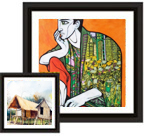



Have you ever paused in the middle of a busy day and noticed how light gently falls on a cup of tea, a bowl of fruit, or a vase of flowers? At first glance, these objects may seem ordinary—almost too simple to deserve attention. But what if those everyday moments held the potential to become extraordinary works of art?
That is the quiet magic of still life art.
Still life art invites us to slow down, observe, and rediscover beauty in the most familiar objects around us. In a fast-paced world where visual noise is constant, this genre offers a refreshing pause—an opportunity to appreciate detail, texture, color, and composition in their purest forms. Whether it’s a carefully arranged fruit bowl reminiscent of classical traditions or a bold, expressive canvas by contemporary artists, still life art has the power to transform the mundane into something deeply meaningful.
In this blog, we’ll explore how still life art achieves this transformation—how simple objects evolve into masterpieces through technique, emotion, cultural influence, and artistic vision. We’ll also connect its timeless appeal to modern trends in contemporary art, the rise of customized paintings, and how digital platforms like an art gallery website are redefining how we experience and collect such works.
Understanding Still Life Art: More Than Meets the Eye
Still life art refers to the depiction of inanimate objects—objects that do not move but hold immense potential for storytelling. These can include fruits, flowers, utensils, books, textiles, or even everyday items like bottles and cups.
What makes still life art so compelling is not the subject itself, but how the artist interprets it. A simple apple, for instance, can symbolize abundance, temptation, or even the passage of time depending on its presentation.
Unlike portrait or landscape art, where external subjects guide the composition, still life gives artists complete control. They decide the arrangement, lighting, perspective, and mood—essentially building a visual narrative from scratch. This freedom allows artists to experiment, innovate, and express deeply personal ideas through seemingly ordinary elements.

The Historical Evolution of Still Life Art
Still life art has a rich and diverse history that spans centuries and cultures.
In ancient civilizations, objects were often depicted in decorative arts and murals. However, it was during the European Renaissance and later the Dutch Golden Age that still life art truly flourished as an independent genre. Artists began to focus on realism, creating highly detailed compositions that celebrated material beauty and craftsmanship.
In India, while still life was not always categorized as a separate genre, elements of it can be found in Mughal paintings. These works often included intricately detailed depictions of objects such as flowers, vessels, and textiles, arranged with precision and elegance. The influence of Mughal paintings adds a unique cultural depth to the evolution of still life art, blending realism with decorative richness.
As time progressed, still life art evolved alongside artistic movements. Impressionists experimented with light and color, while modernists broke traditional rules to explore abstraction and form. Today, contemporary artists continue to reinterpret still life in innovative ways, pushing boundaries and redefining its relevance.
The Artistic Process: Turning the Ordinary into Extraordinary
So, how exactly does still life art transform simple objects into masterpieces? The answer lies in the artistic process.
1. Composition and Arrangement
The foundation of any still life artwork is its composition. Artists carefully select and arrange objects to create balance, harmony, and visual interest. The placement of each element matters—every angle, overlap, and spacing contributes to the overall impact.
A well-composed still life guides the viewer’s eye across the canvas, creating a sense of flow and rhythm. Even the simplest arrangement can feel dynamic when executed thoughtfully.
2. Mastery of Light and Shadow
Lighting plays a crucial role in still life art. Through the interplay of light and shadow, artists bring depth and dimension to their work.
A single light source can create dramatic contrasts, highlighting textures and forms. Soft, diffused lighting, on the other hand, can evoke calmness and subtlety. By manipulating light, artists can transform flat objects into lifelike, three-dimensional forms.
3. Texture and Detail
Still life art often showcases an artist’s technical skill through intricate details. The smooth surface of a ceramic bowl, the delicate petals of a flower, or the rough texture of a wooden table—all these elements require careful observation and execution.
These details not only enhance realism but also create a tactile experience for the viewer, making the artwork feel almost tangible.
4. Color and Mood
Color choices significantly influence the mood of a still life painting. Warm tones can evoke comfort and intimacy, while cool tones may suggest calmness or melancholy.
Artists use color to create emotional resonance, turning a simple arrangement into a powerful visual statement.
Symbolism: The Hidden Language of Still Life
One of the most fascinating aspects of still life art is its use of symbolism.
Throughout history, artists have used everyday objects to convey deeper meanings. For example:
-
Fruits can symbolize abundance, temptation, or decay.
-
Flowers often represent beauty, fragility, or the passage of time.
-
Objects like clocks or extinguished candles can signify mortality.
This symbolic language adds layers of interpretation, allowing viewers to connect with the artwork on a more profound level. What may appear as a simple composition at first glance can reveal complex narratives upon closer inspection.
Still Life in the Context of Contemporary Art
In today’s art world, still life continues to evolve, blending tradition with innovation. Contemporary artists experiment with new materials, techniques, and concepts, expanding the boundaries of the genre.
Some artists incorporate unconventional objects—plastic waste, industrial materials, or digital elements—to comment on modern life and environmental issues. Others use abstraction to reinterpret still life, focusing on shapes, colors, and emotions rather than realistic representation.
In the broader landscape of contemporary art, still life remains a versatile and relevant form of expression. It bridges the gap between classical techniques and modern ideas, offering endless possibilities for creativity.
Comparing Still Life Art with Landscape Art
While still life art focuses on inanimate objects, landscape art captures the beauty of natural environments. Both genres celebrate observation and composition, but they differ in scale and perspective.
Landscape art often conveys vastness and movement, drawing viewers into expansive scenes. In contrast, still life art invites intimacy, encouraging viewers to engage with small, carefully curated spaces.
Despite these differences, both genres share a common goal: to transform the ordinary into something extraordinary. Whether it’s a sweeping landscape or a simple tabletop arrangement, the artist’s vision plays a crucial role in shaping the final outcome.

The Rise of Customized Paintings
In recent years, the demand for customized paintings has grown significantly. People are increasingly looking for personalized art that reflects their tastes, memories, and lifestyles.
Still life art is particularly well-suited for customization. Clients can choose objects that hold personal significance—favorite flowers, heirloom items, or everyday objects that tell their story.
Customized still life paintings offer a unique blend of artistry and personal connection, making them meaningful additions to homes and collections.
The Role of Digital Platforms and Art Gallery Websites
The digital age has transformed how we experience and collect art. An art gallery website now serves as a virtual space where artists can showcase their work to a global audience.
For still life artists, this means greater visibility and accessibility. Collectors can explore a wide range of styles, compare artworks, and make informed decisions—all from the comfort of their homes.
An art gallery website also plays a crucial role in promoting emerging contemporary artists, providing them with a platform to share their vision and connect with audiences worldwide.
Why Still Life Art Continues to Captivate
Despite changing trends and technological advancements, still life art remains timeless. Its enduring appeal lies in its simplicity and versatility.
By focusing on everyday objects, still life art reminds us to find beauty in the ordinary. It encourages mindfulness, inviting us to slow down and appreciate the details we often overlook.
At the same time, it offers endless opportunities for innovation. From classical realism to abstract interpretations, still life art continues to evolve, reflecting the changing dynamics of the art world.
Tips for Appreciating Still Life Art
If you’re new to still life art, here are a few tips to enhance your experience:
-
Observe closely: Pay attention to details like texture, lighting, and composition.
-
Look for symbolism: Consider what the objects might represent.
-
Explore different styles: From traditional to contemporary art, each style offers a unique perspective.
-
Engage emotionally: Let the artwork evoke feelings and interpretations.
Conclusion: The Extraordinary in the Ordinary
Still life art teaches us a valuable lesson—that beauty does not always lie in grandeur or complexity. Sometimes, it resides in the simplest of things, waiting to be discovered.
Through careful composition, mastery of technique, and creative vision, artists transform everyday objects into masterpieces that inspire, provoke, and delight. From the intricate elegance of Mughal paintings to the bold experiments of contemporary artists, still life art continues to evolve while staying rooted in its timeless essence.
As you explore the world of art—whether through a physical gallery or an art gallery website—take a moment to appreciate the still life pieces you encounter. You may find that even the most ordinary objects can hold extraordinary stories.
And perhaps, the next time you notice a quiet arrangement of objects in your own space, you’ll see it not just as a simple scene—but as a potential masterpiece waiting to be created.
